“Conservation is Life: Sustaining the Future” STRENGTHENING FRONTLINE CONSERVATION SACOLA – RDB Review the Community Eco-Guard Initiative Around Volcanoes National Park
/https://conservationallies.org/a-new-generation-of-gorillas/?blm_aid=25338
“Conservation is Life: Sustaining the Future”
STRENGTHENING FRONTLINE CONSERVATION
SACOLA – Conservation Allies Review the Community Eco-Guard Initiative Around Volcanoes National Park
15 September 2026 • SACOLA Office, Kinigi, Musanze District, Rwanda
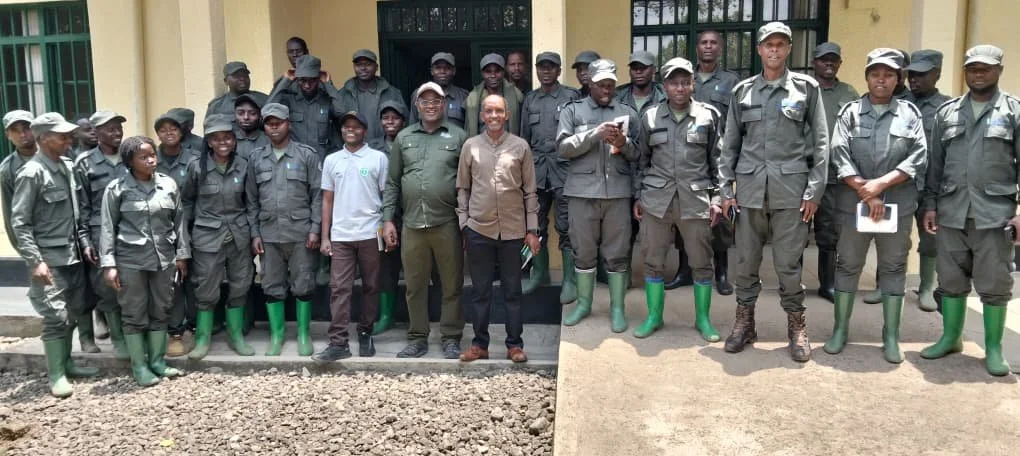
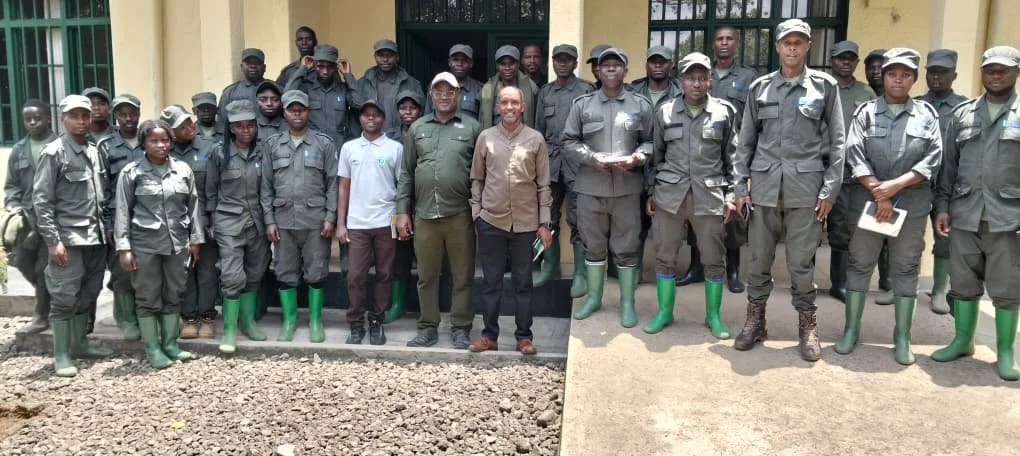
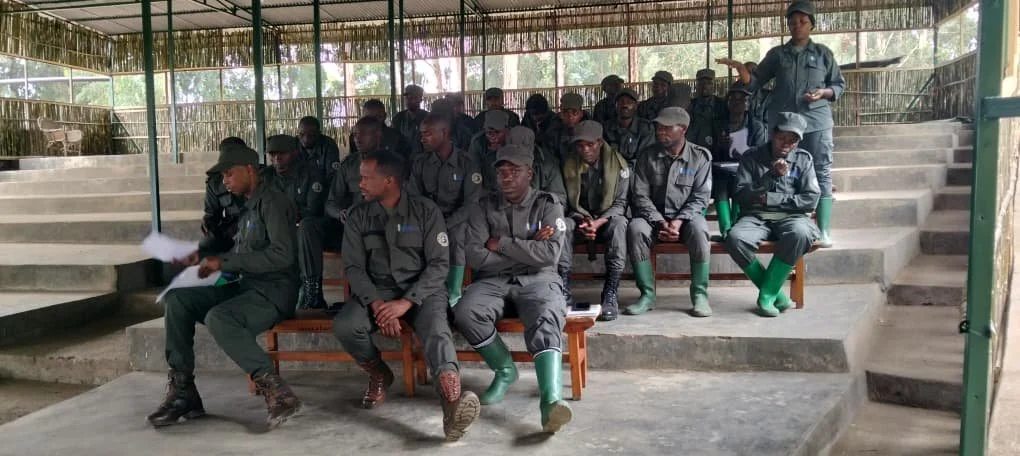
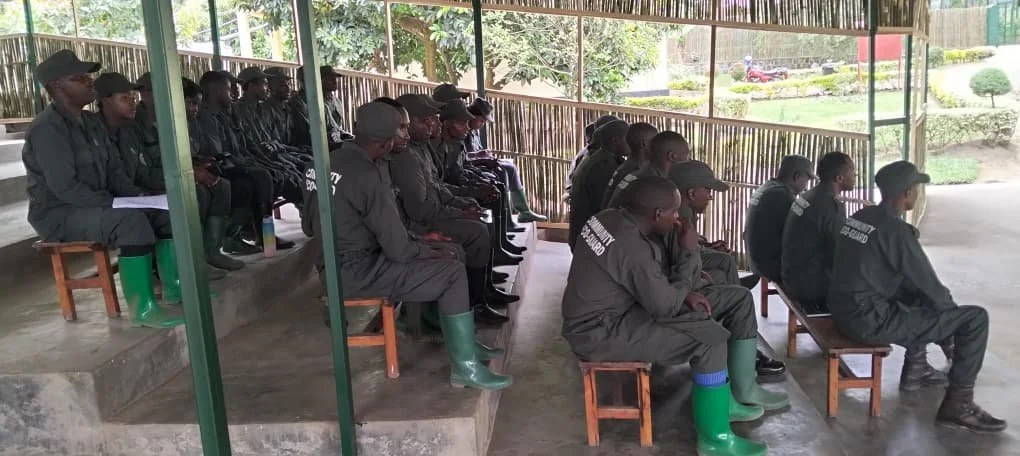
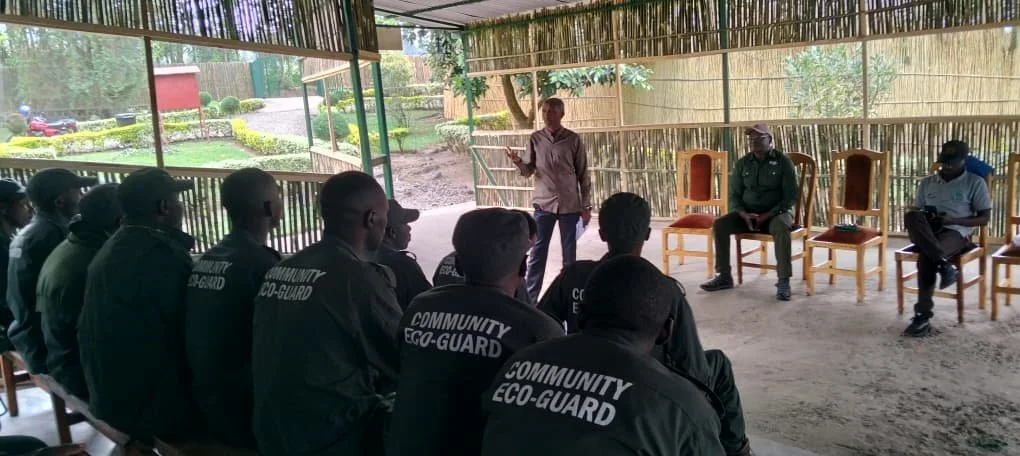
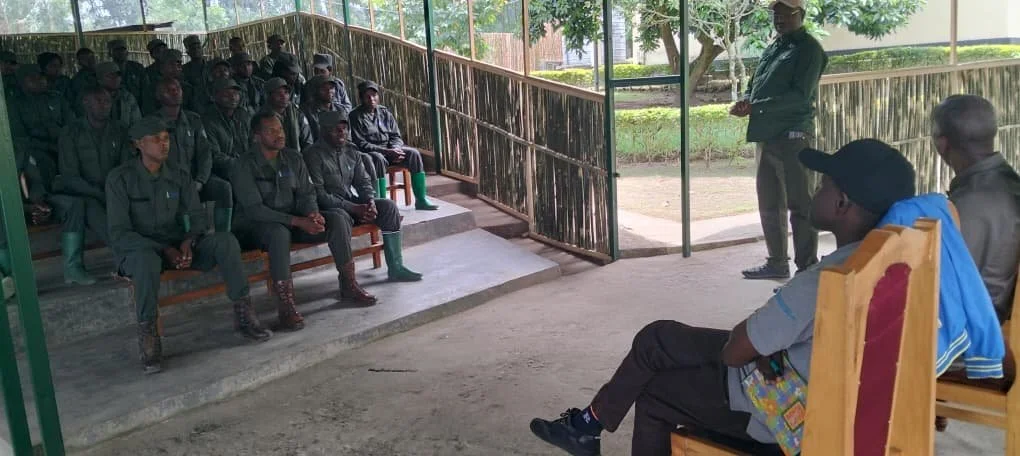
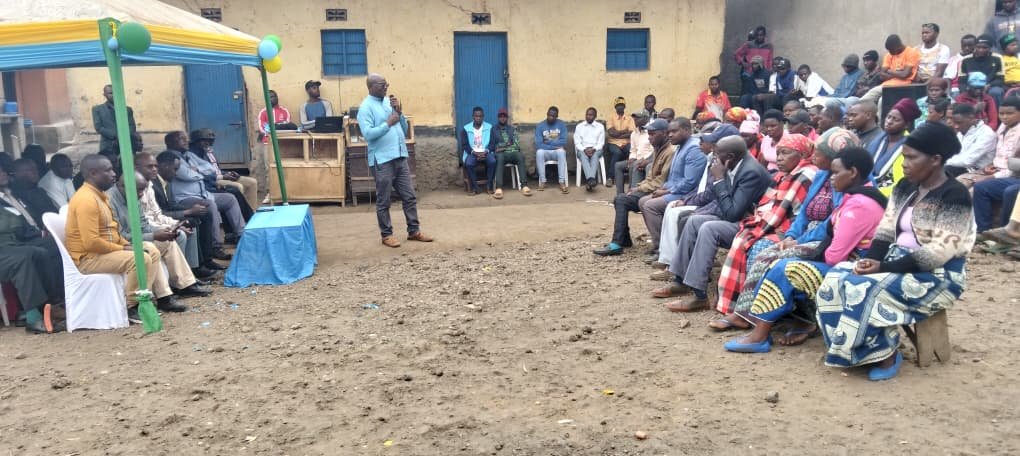
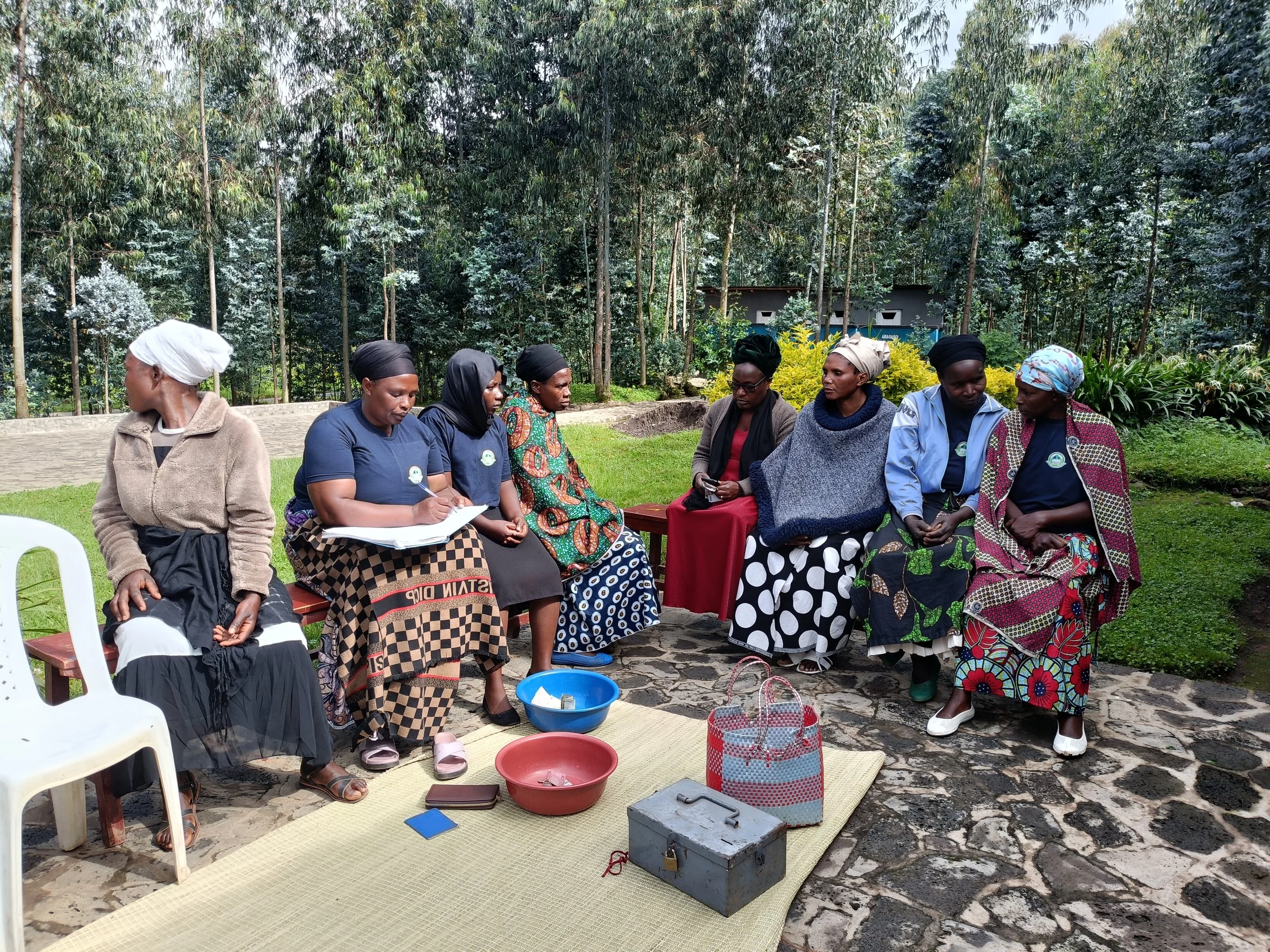
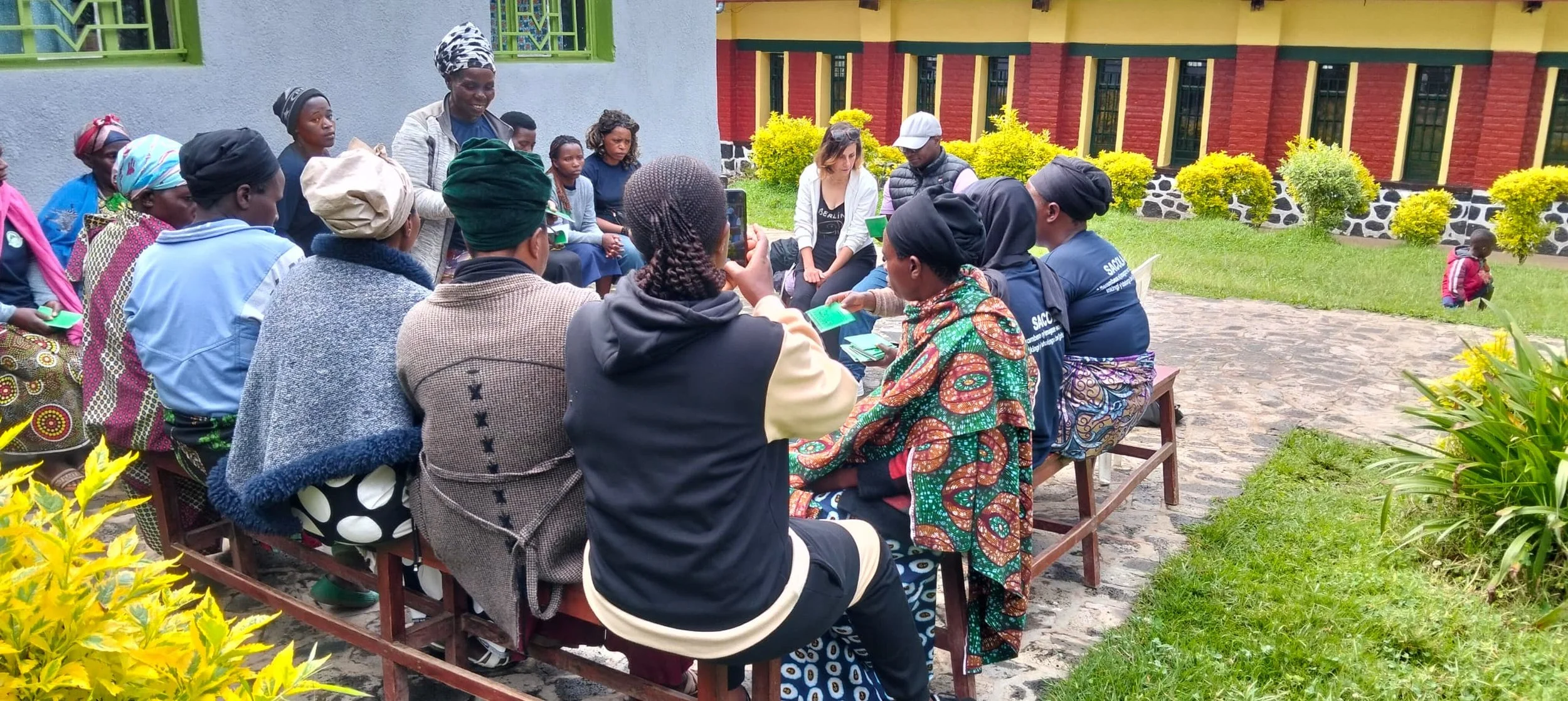
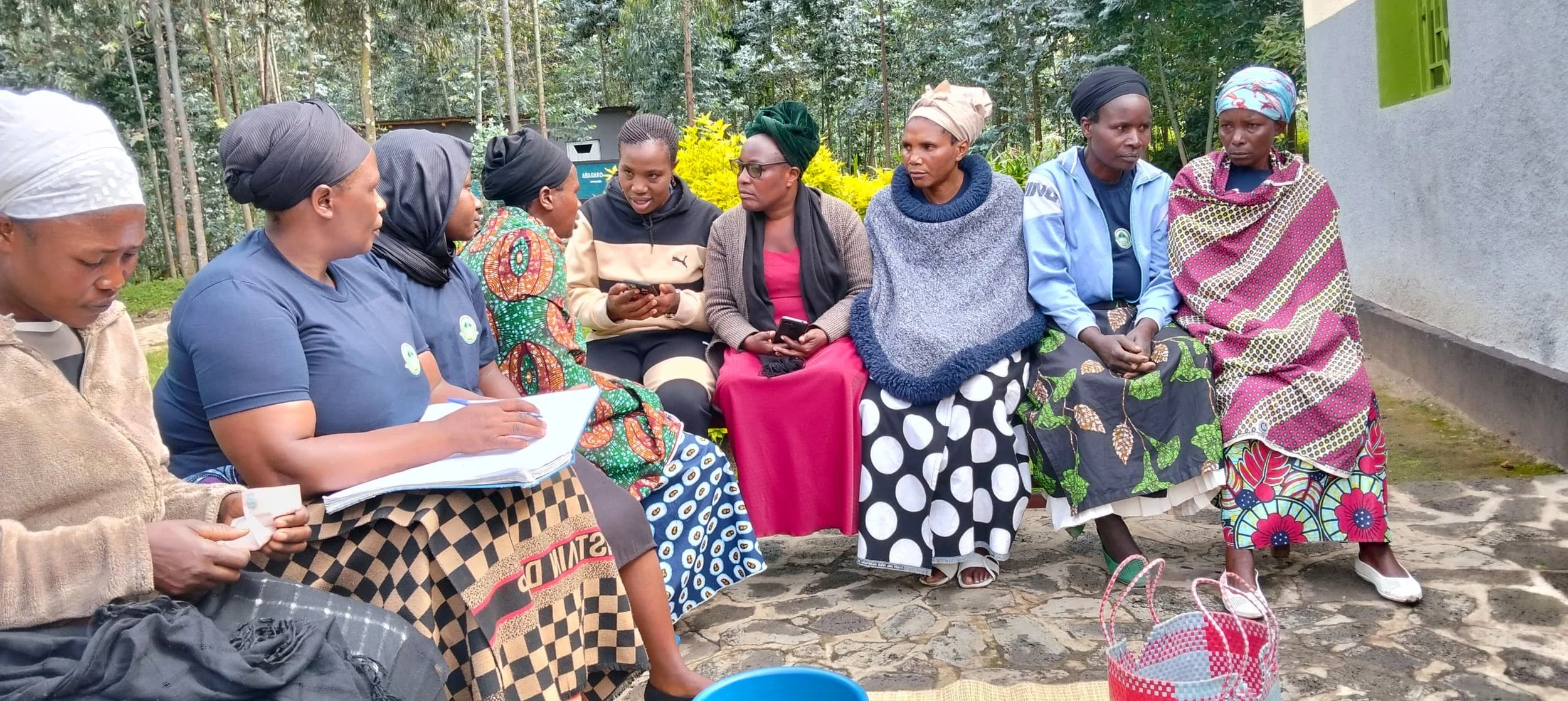
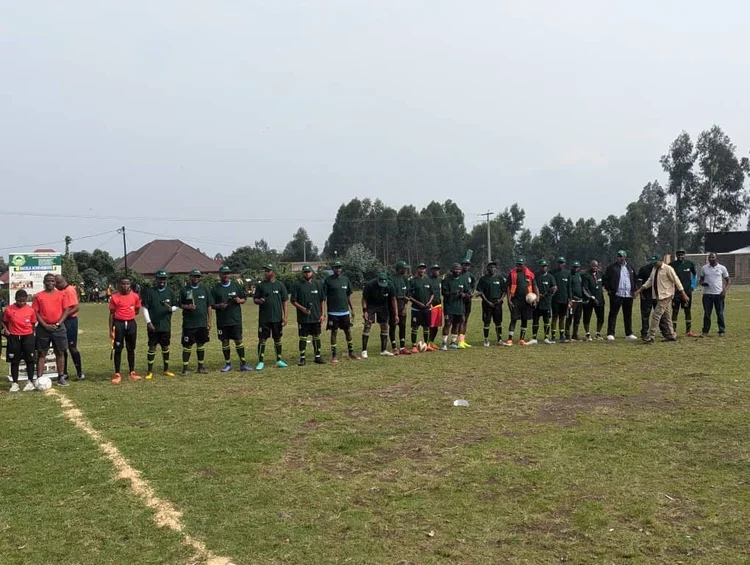
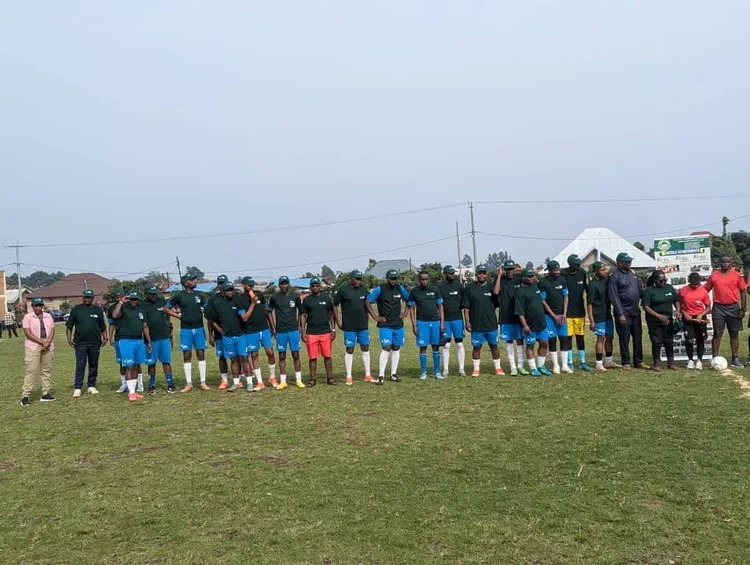
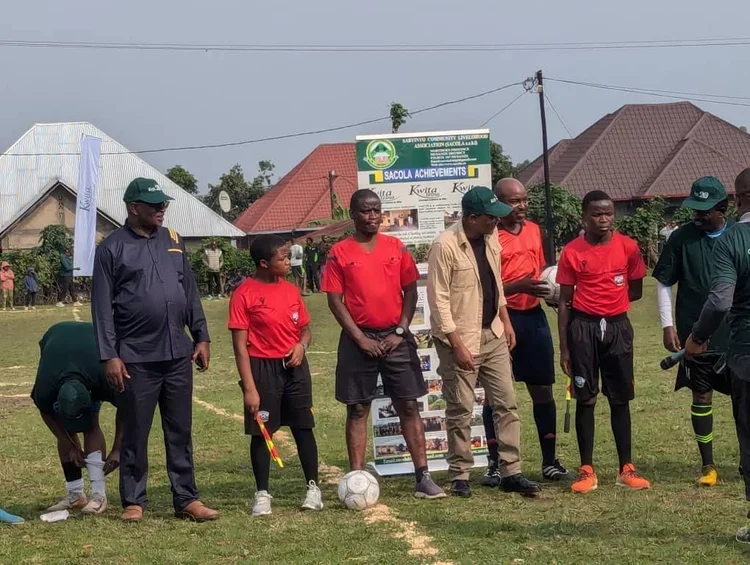
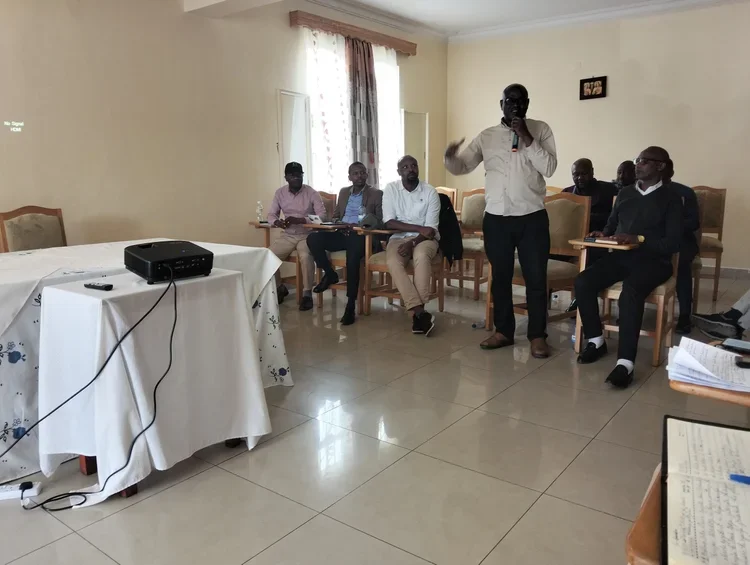
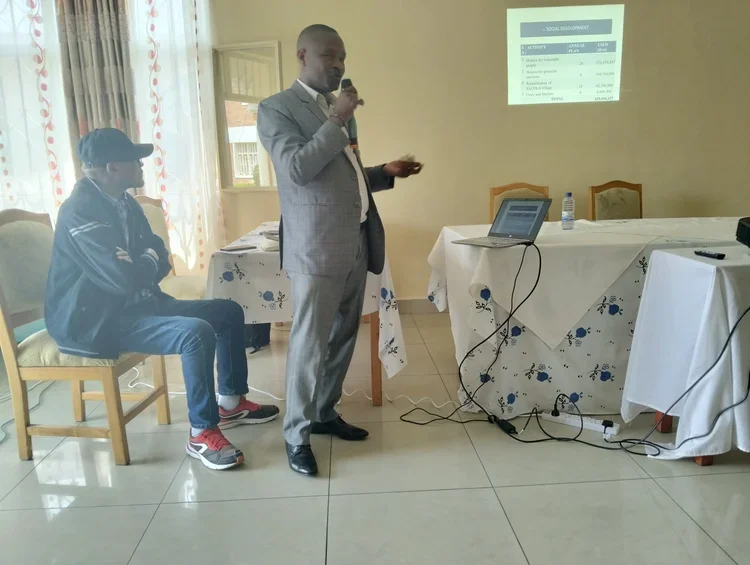
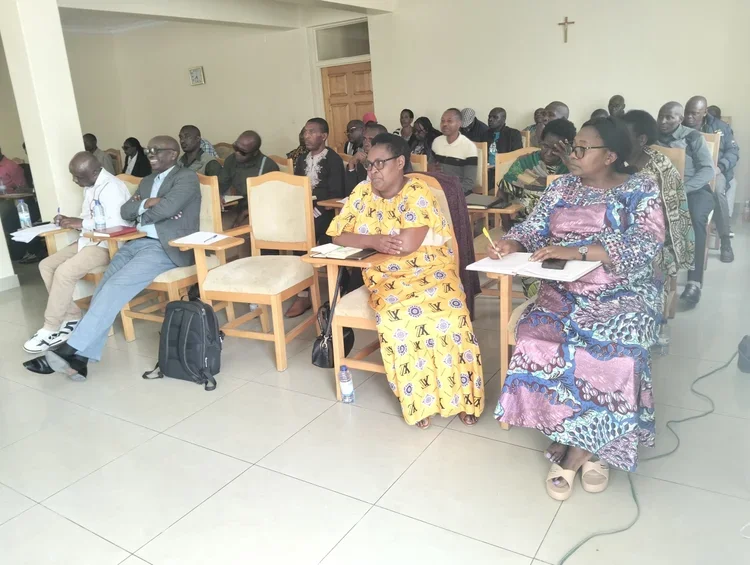
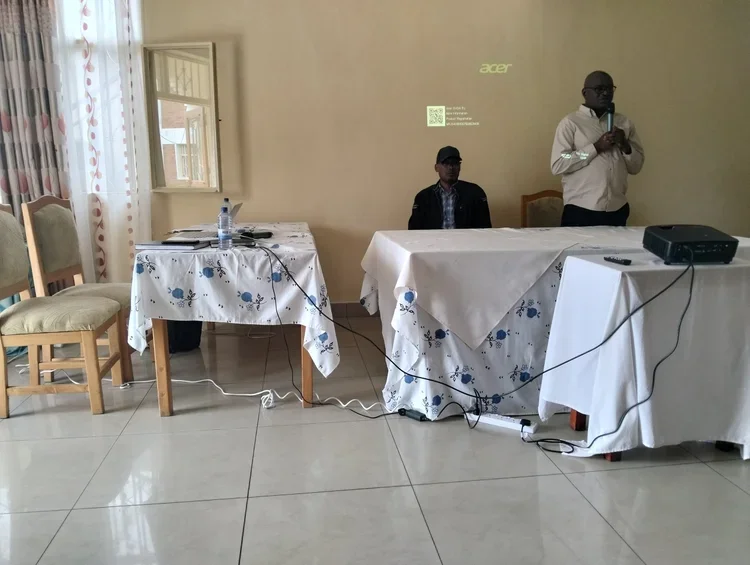
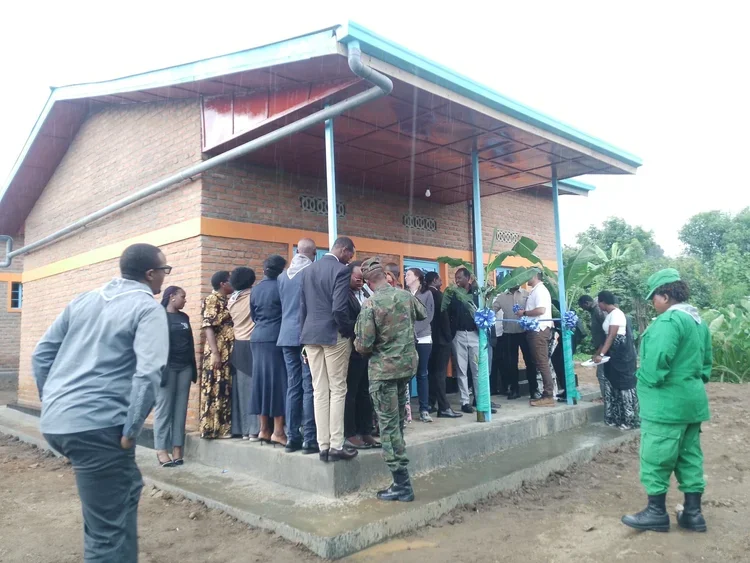
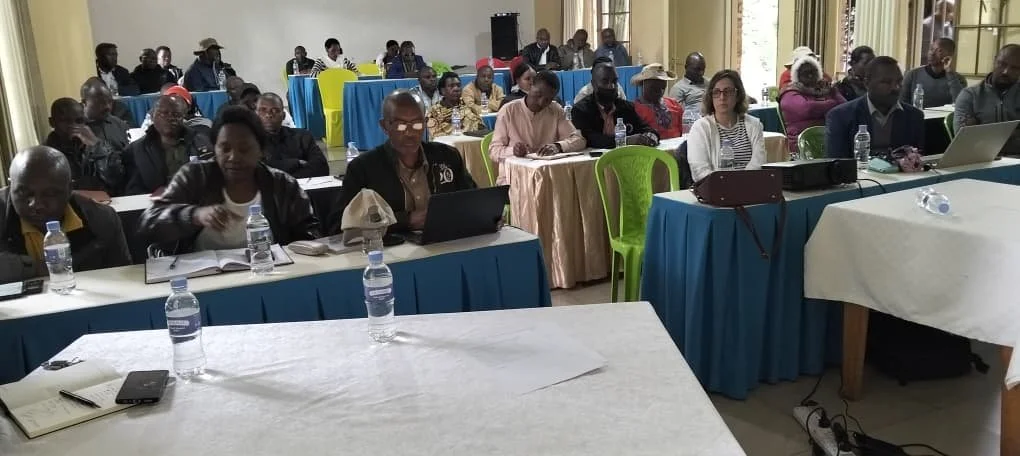
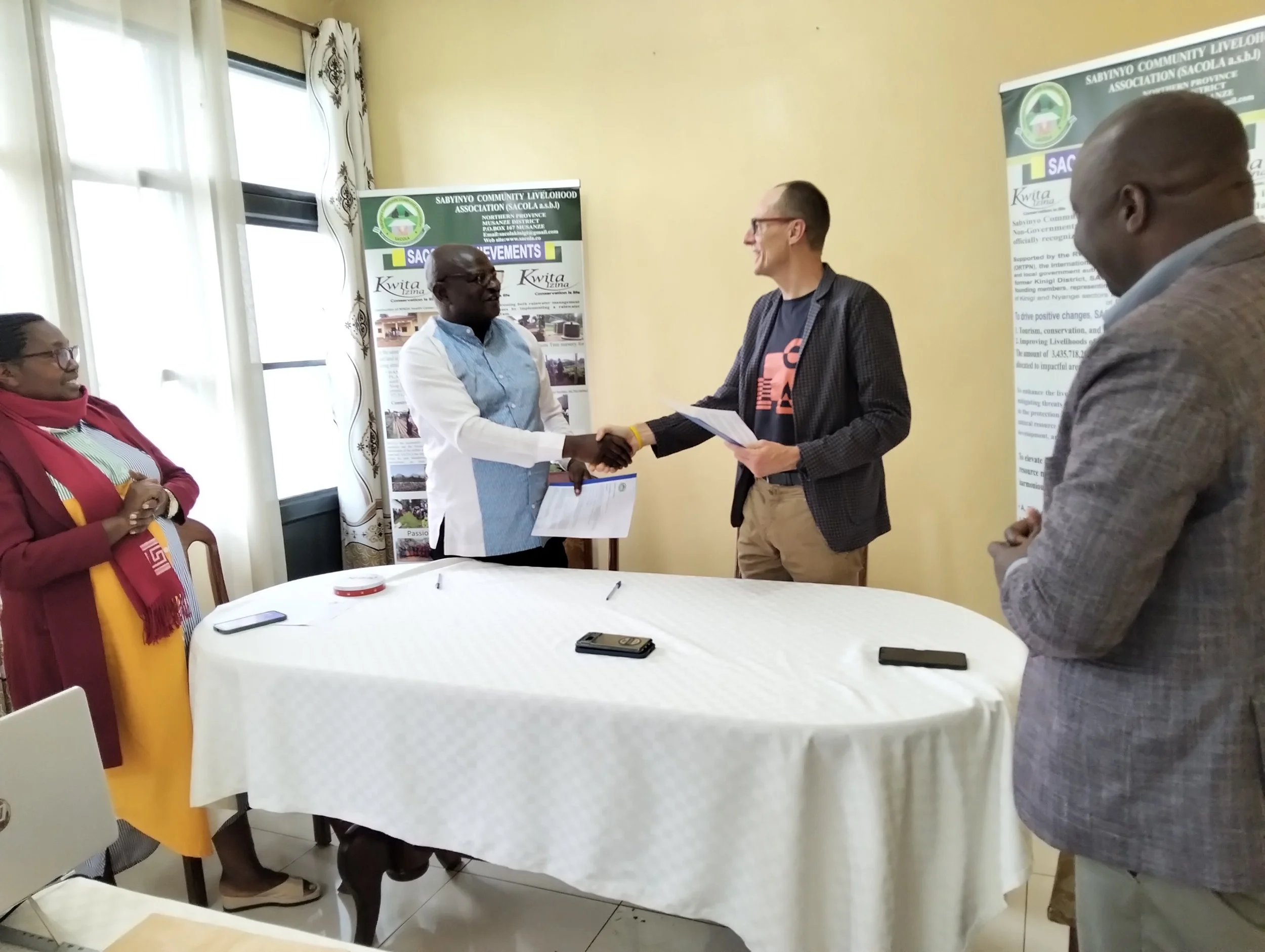
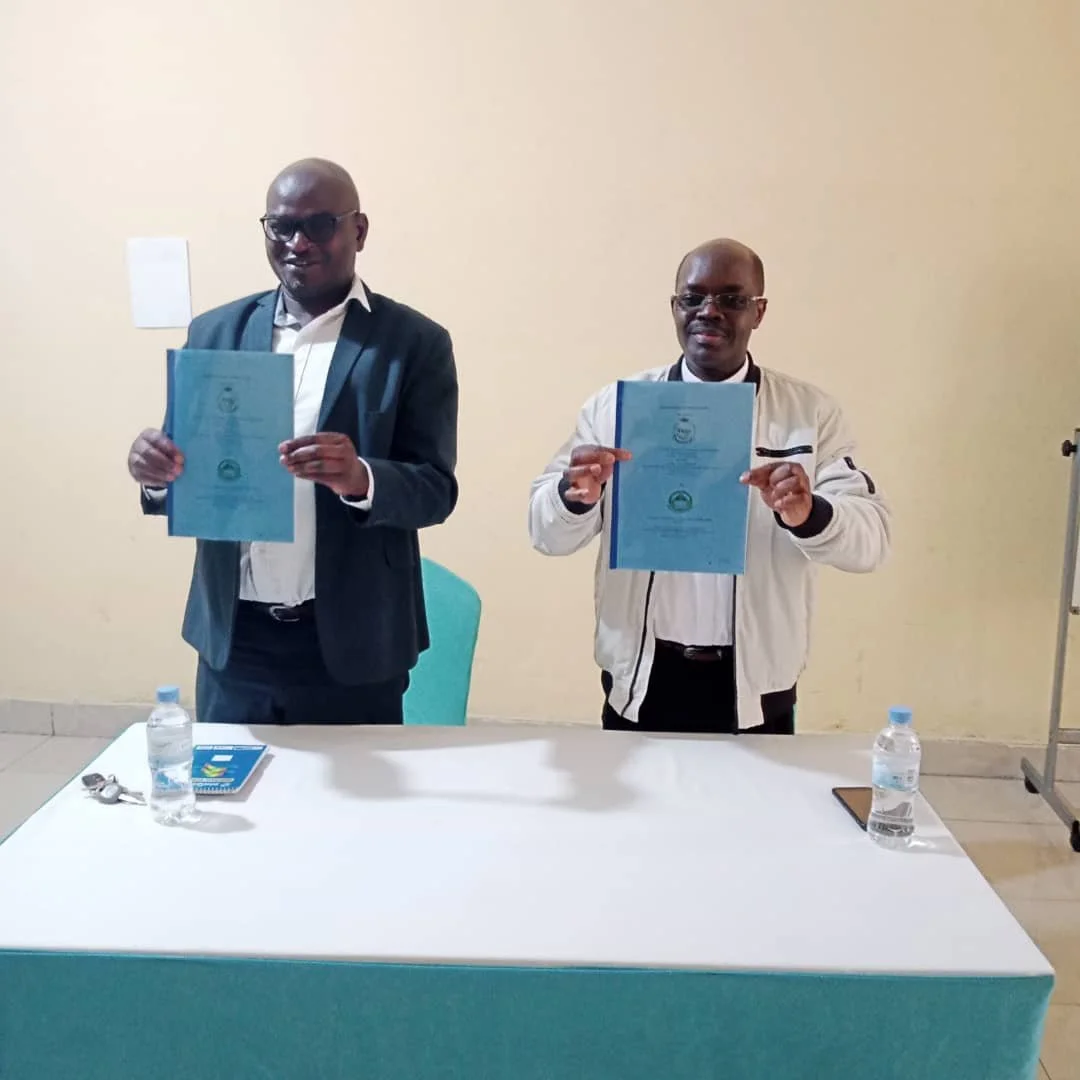
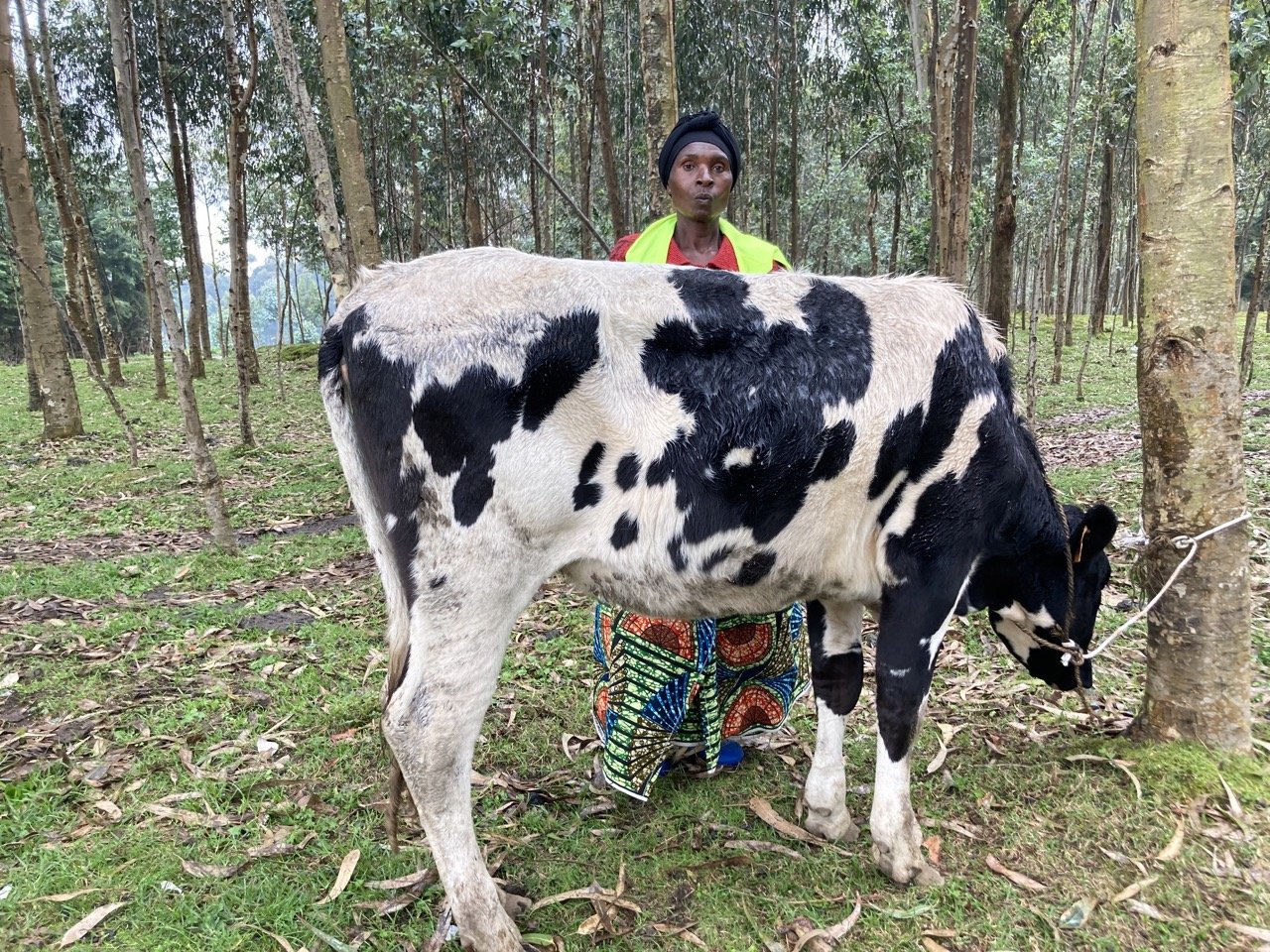
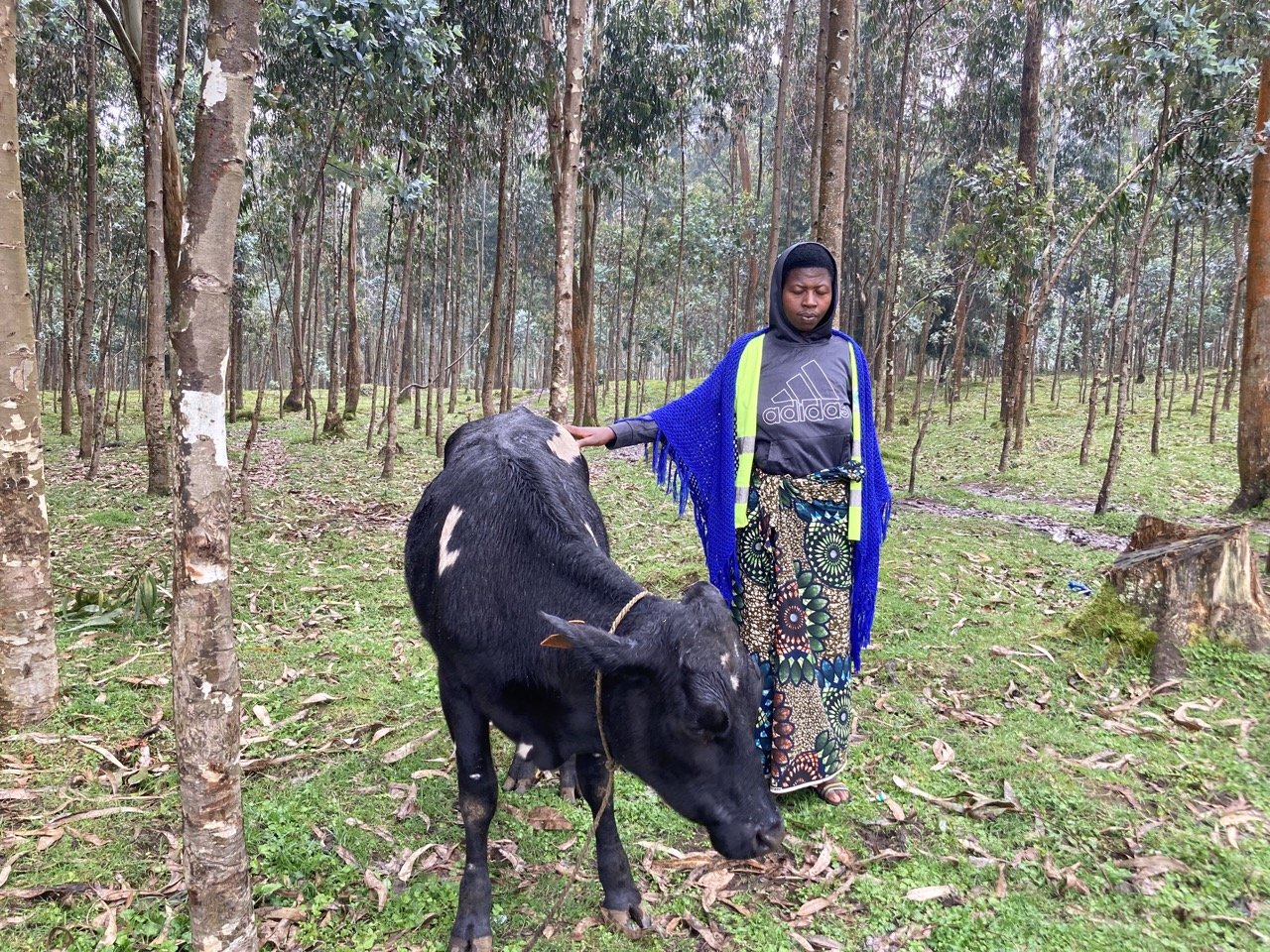
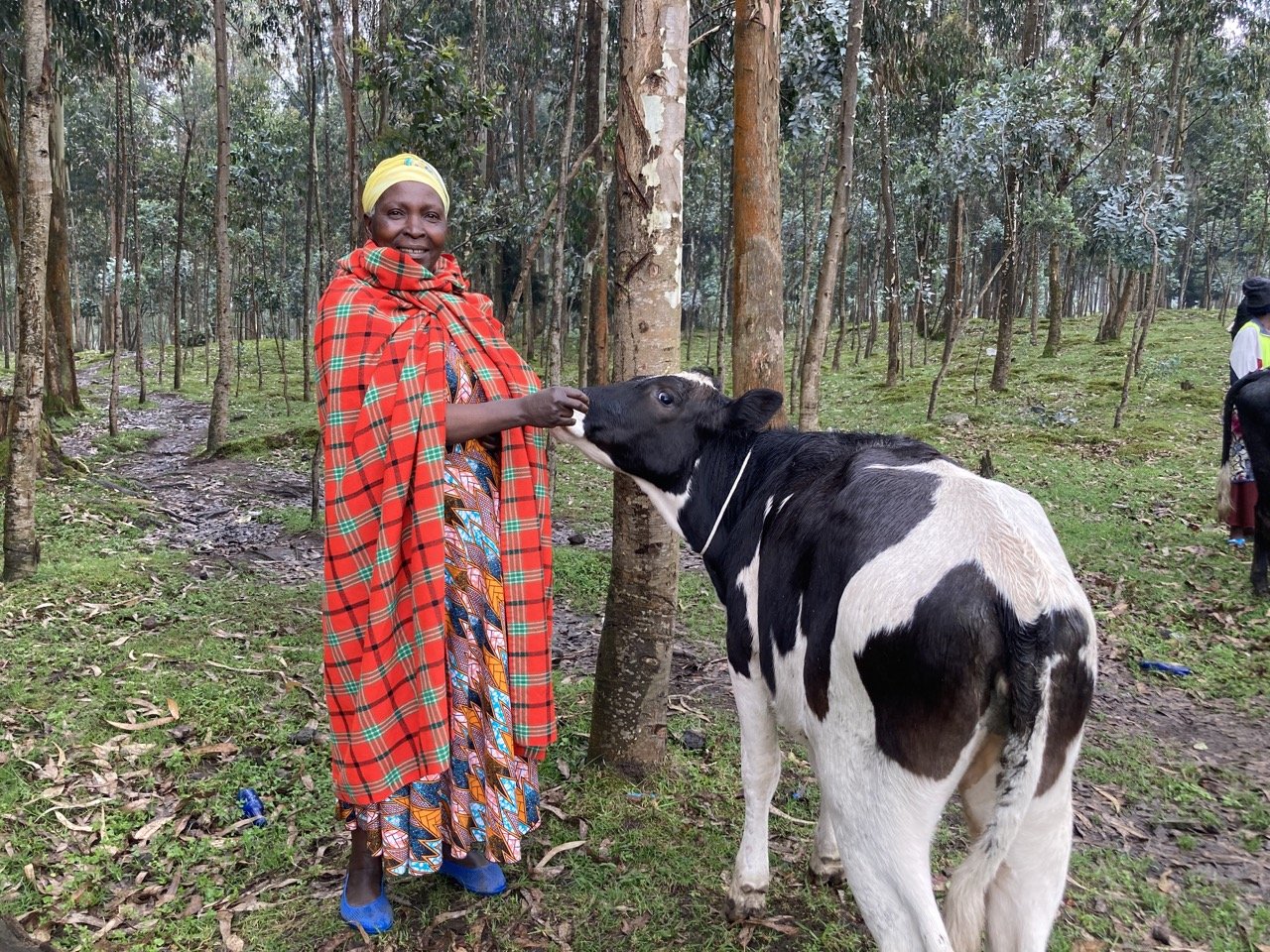
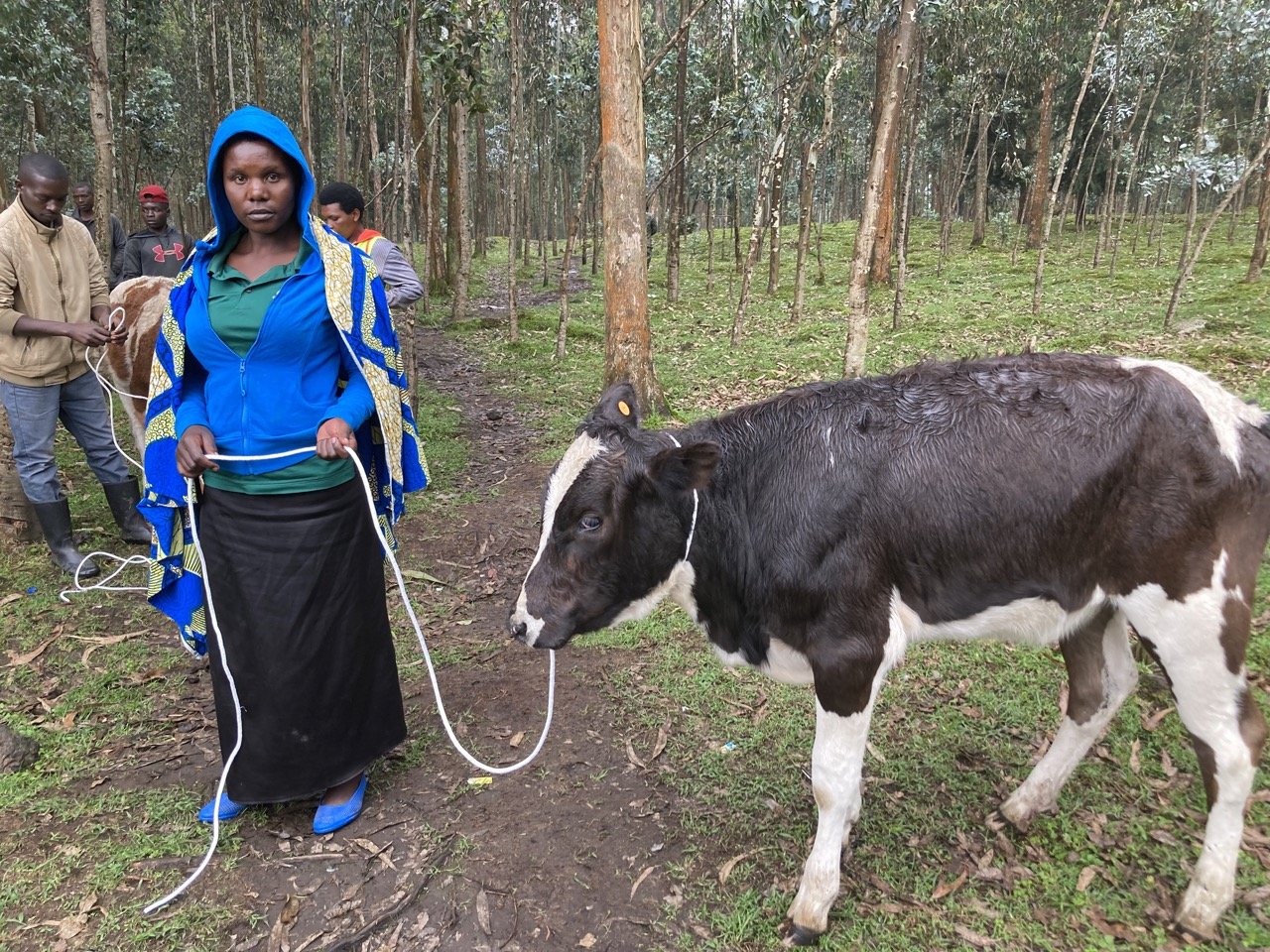
On 15 September 2026, SACOLA (Sabyinyo Community Livelihood Association) — with the support of Conservation Allies — convened a field evaluation of the Community Eco-Guard Initiative at our office in Kinigi, in partnership with the Rwanda Development Board (RDB), the Park authority overseeing Volcanoes National Park.
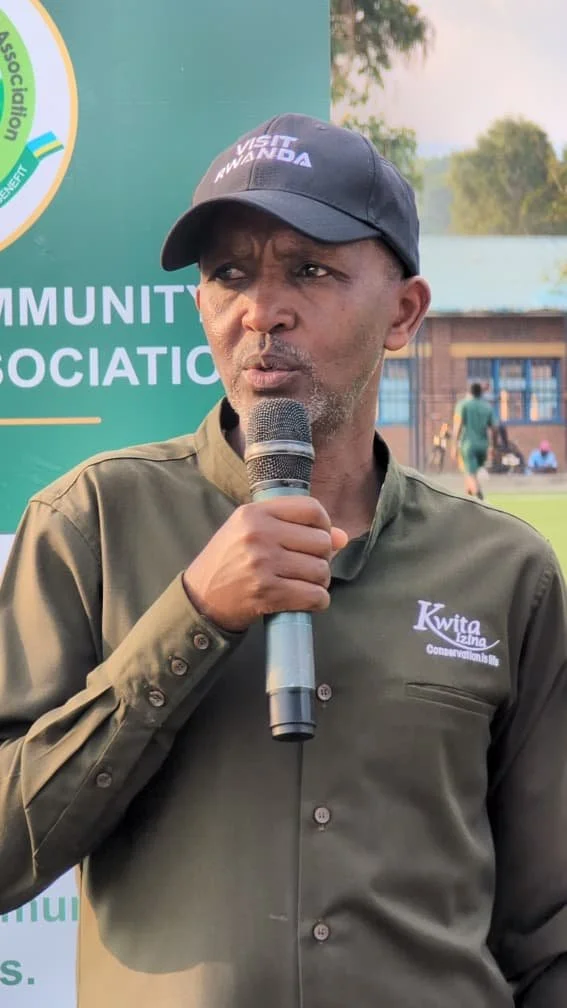
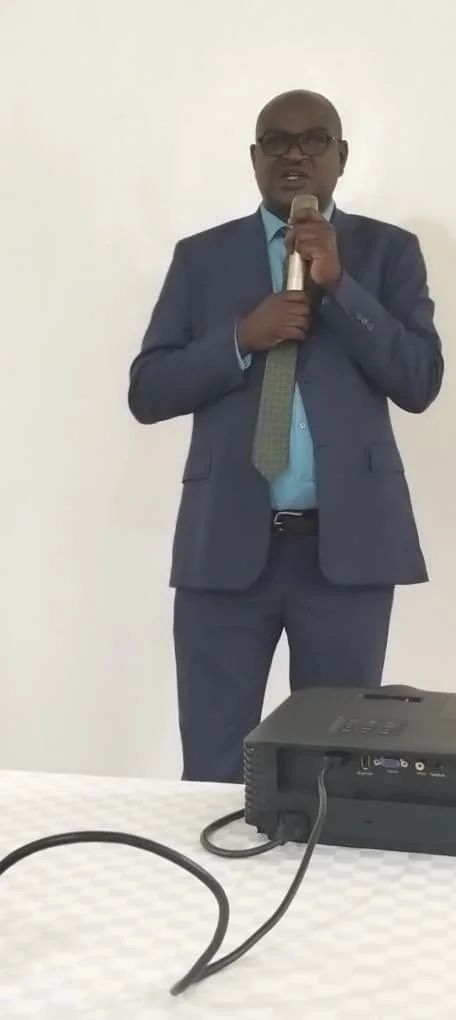
Chaired by Pierre Celestin NSENGIYUMVA, Chairperson of SACOLA, and Prosper UWINGERI, Chief Park Warden (RDB), the review confirmed that our Eco-Guards continue performing strongly in their core role: mobilization and rapid-response information to curb illegal activity inside the Park.
As with any living project, field-level challenges continue to surface. SACOLA leadership, in close collaboration with RDB, remains committed to monitoring, responding to, and resolving these issues as the initiative moves forward.
None of this would be possible without the vision and backing of Conservation Allies. Our sincere thanks to President Dr. Paul Salaman and the entire Conservation Allies team for their continued trust and partnership.
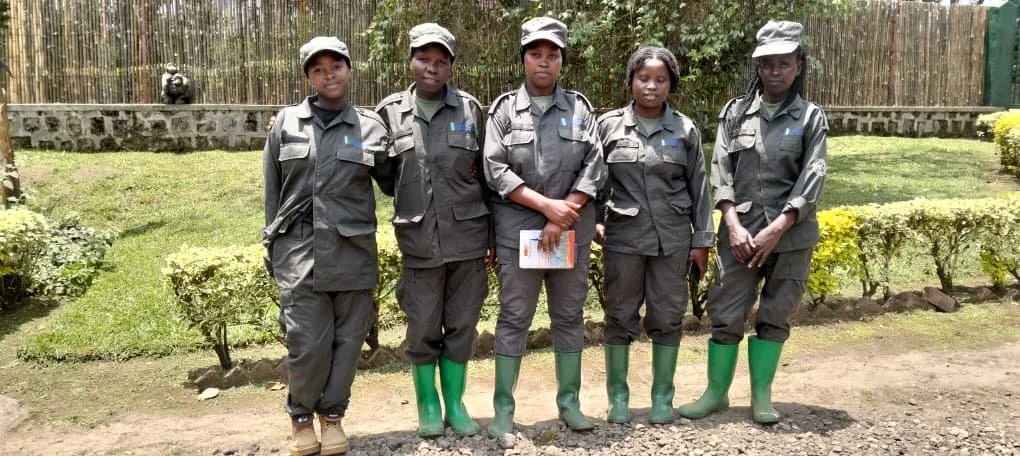
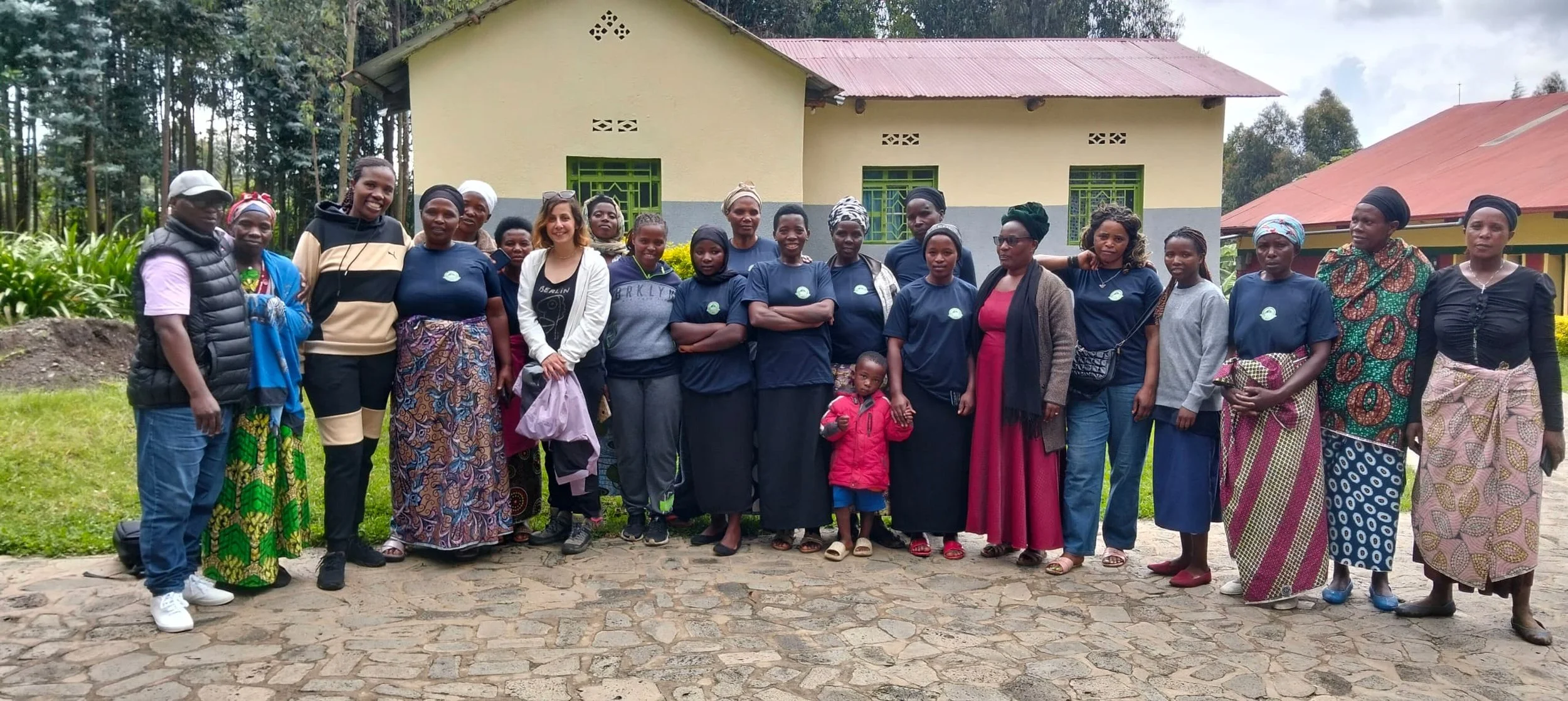
A special thank you to every Community Eco-Guard and to RDB for protecting Volcanoes National Park